Margita Signature: The Handwritten Script Font for Authentic Branding
There’s a specific kind of visual texture that digital text often misses. It’s the subtle imperfection, the slight variation in line weight, and the natural flow of a pen moving across paper. This is the essence Margita Signature captures. It’s not just another script font; it’s a carefully crafted typeface designed to inject a human, authentic feel directly into your digital projects. For anyone building a brand, designing a publication, or creating marketing materials, understanding how to leverage a font like this can be a significant advantage.
More Than Just a Pretty Script
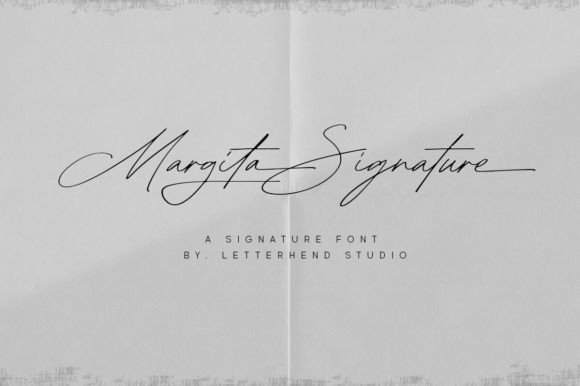
At first glance, Margita Signature is a beautiful, flowing signature script. Look closer, and you’ll see the craftsmanship. The font’s personality comes from its stylistic alternates and ligatures. These aren’t just decorative extras; they’re functional tools. When you type, the letters connect in multiple, natural-looking ways, avoiding the repetitive, mechanical look that plagues many script fonts. The tick and thin stroke variation is key. It mimics the pressure changes of a real pen, creating a dynamic, organic line that feels genuinely handwritten.
This makes it a prime example of a premium font designed for real-world application. It’s a display font at its core, meaning it shines brightest in headlines, logos, and short, impactful text blocks where its personality can be fully appreciated. Think of it as the typographic equivalent of a firm, confident handshake—it makes an immediate, personal impression.
Where Margita Signature Truly Shines
The practical applications for a font with this level of authenticity are wide-ranging. Its strength lies in projects where personal connection and perceived craftsmanship are paramount.
- Brand Identity & Logo Design: This is Margita Signature’s sweet spot. For boutique brands, personal blogs, creative consultants, or artisanal products, a logo set in this script font instantly communicates a handcrafted, personalized ethos. It pairs beautifully with a clean sans serif font for body text, creating a balanced and professional brand identity.
- Editorial & Publishing: In editorial design, it can elevate chapter titles, pull quotes, or magazine headers. For book covers, especially in genres like romance, memoir, or contemporary fiction, it adds a layer of emotional resonance. It’s a creative font that helps a publication stand out on a crowded shelf or screen.
- Packaging & Product Labels: Imagine a coffee bag, a candle label, or a cosmetic box. Using Margita Signature for the product name or a descriptive tagline can suggest small-batch quality and care. This is a direct application in packaging design where font choice influences perceived value.
- Events & Personal Stationery: From wedding invitations to thank-you cards, the font brings an intimate, celebratory feel. It’s perfect for any design asset that requires a personal touch, like greeting cards or custom stationery.
- Digital Presence: Used strategically in web design for hero section headlines or in social media graphics for quotes and announcements, it can stop the scroll. It adds warmth and personality to a digital feed that might otherwise feel sterile.
Making It Work: Practical Guidance for Your Project
Choosing the right typeface is a strategic decision. Here’s how to evaluate if Margita Signature is the right fit for your next project and how to use it effectively.
Evaluating the Fit
Ask yourself: Does my project’s voice need to be personal, elegant, or artisanal? If the answer is yes, this handwritten font is a strong candidate. It’s less suited for long-form reading or technical documents where clarity is the absolute priority. For those, a sturdy serif font or sans serif font is better. Think of Margita Signature as your headline artist, not your workhorse paragraph writer.
Font Pairing is Everything
A script font rarely works alone. The key to modern typography is contrast. Pair Margita Signature with a simple, geometric sans serif like Montserrat or a classic serif like Lora. This creates a clear visual hierarchy: the signature font draws the eye to the key message, while the complementary font ensures the supporting text remains highly readable. Test your pairings in context—see how they look on a mockup business card or website header.
Exploring the Toolkit
Before purchasing, review the full character set. A quality commercial font like this often includes multiple versions of lowercase letters (stylistic alternates), different connecting swashes (ligatures), and possibly multilingual support. These features are what allow you to customize the text to avoid repetitive letterforms and achieve a truly unique result. Play with these options in your design software to see the range of expression available.
Licensing for Your Needs
Always verify the licensing. Whether you’re a freelance designer creating a logo for a client, a small business owner making your own packaging, or a crafter selling handmade goods, ensure the license covers your intended use—desktop, web, or both. A legitimate premium font comes with clear licensing terms, protecting both you and the font designer.
In a landscape saturated with generic digital text, a thoughtfully chosen font like Margita Signature offers a tangible way to stand out. It’s a practical design asset that bridges the gap between digital precision and human touch, helping to build recognition, convey professionalism, and engage your audience on a more personal level. When your project demands authenticity, it’s a tool worth serious consideration.